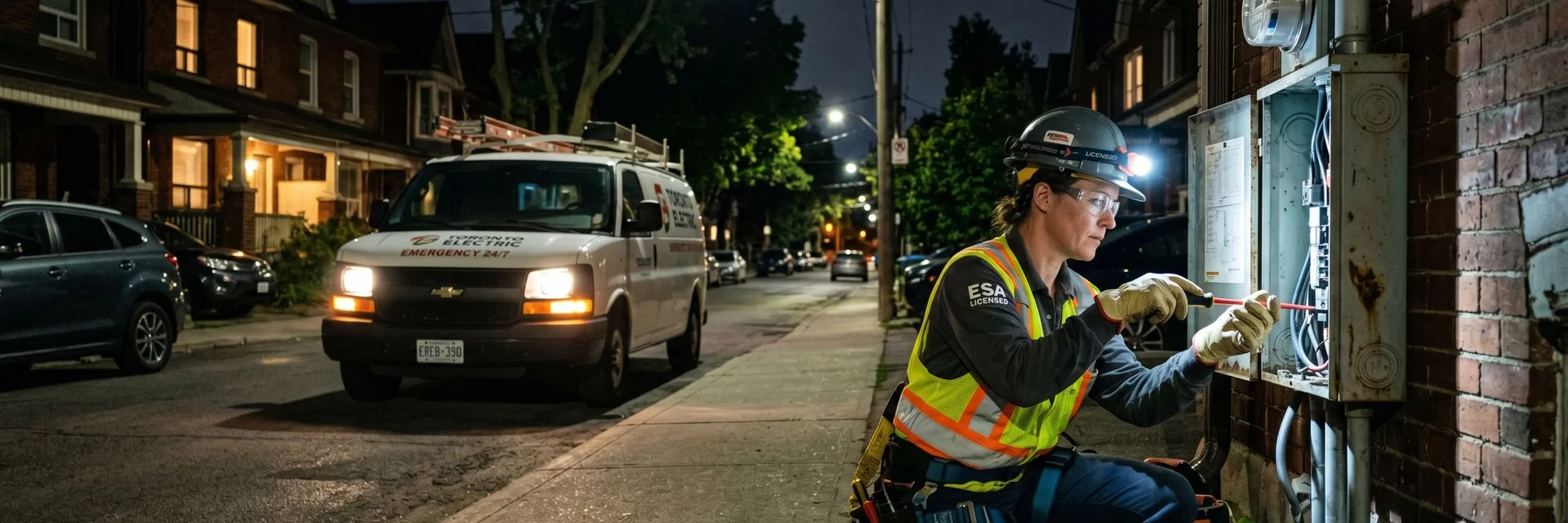
What an ESA Electrical Inspection Covers
Visual inspection scope, panel inspection, outlet/switch sampling, GFCI/AFCI verification, written report format, and deficiency remediation.
By Michael Chen, Licensed Master Electrician ·
We hear the same question from property owners almost every week. Buyers and owners simply want to understand what they are paying for when booking a safety review. Our team knows that figuring out exactly what does an esa electrical inspection cover can feel confusing.
Reducing uncertainty about scope and timing is the best way to keep your project on track.
We put this guide together to clarify the exact steps involved. The process becomes straightforward when you know what the inspector expects to see. Our goal is to prepare you for a successful, code-compliant evaluation.
What an ESA Electrical Inspection Covers
We ensure all electrical work complies directly with the strict safety standards of the Ontario Electrical Safety Code. An ESA inspection protects homes from fire hazards and poor wiring jobs.
Our licensed electricians prepare sites to pass these critical reviews on the first try. A typical inspection targets the main panel, visible wiring, and high-risk wet zones.
We prioritize getting the details right so you can move forward quickly. Completing this step successfully results in a mandatory Certificate of Acceptance for your property.
What This Guide Covers
We want to provide a quick overview of the points worth knowing before you book any work. The following sections outline the exact esa inspection scope.
1. Visual inspection scope (basement, attic, panel, accessible boxes)
Our inspectors start by walking the property to identify obvious code violations in exposed areas like basements and attics. Toronto homes built before the 1990s typically run on 60A or 100A service, which often features aging wire insulation.
We look for unapproved DIY splicing, overloaded junction boxes, and improper grounding cables. A thorough visual check catches the most common issues before anyone opens a wall.
Our technicians use this phase to map out the entire electrical footprint of the house. Catching these visible issues early prevents costly delays later in the project.
We focus our attention on four main categories during the walkthrough:
- Exposed wiring in unfinished spaces.
- Proper support and stapling of cables.
- Accessible junction boxes with missing covers.
- Signs of heat damage or scorch marks.
This early detection keeps your property safe and compliant.
2. Panel inspection (brand identification, age, condition)
Our evaluation of the main service panel is the most critical part of the entire visit. Federal Pacific Stab-Lok and Zinsco panels are common in 1960s to 1980s housing, and both are flagged as fire risks by ESA and most insurers. We strictly advise removing these outdated units to meet modern safety compliance.
A 100A to 200A upgrade in Toronto runs $1,800 to $3,500 including the ESA permit, Toronto Hydro disconnect coordination, and final inspection. Our recent 2026 data shows that complex panel relocations or underground trenching can push that upper limit to $4,500.
The inspector checks for double-tapped breakers, proper grounding, and correct wire sizing. We provide clear options when replacing dangerous or underpowered equipment.
| Panel Condition | ESA Inspection Status | Required Action |
|---|---|---|
| Modern 200A Circuit Breakers | Passes easily | None needed |
| 100A Fuse Box | Frequently flagged | Upgrade recommended for new loads |
| Federal Pacific / Zinsco | Major deficiency | Mandatory replacement |
Having a compliant panel ensures a smooth approval from the authority.
3. Outlet/switch sampling and testing
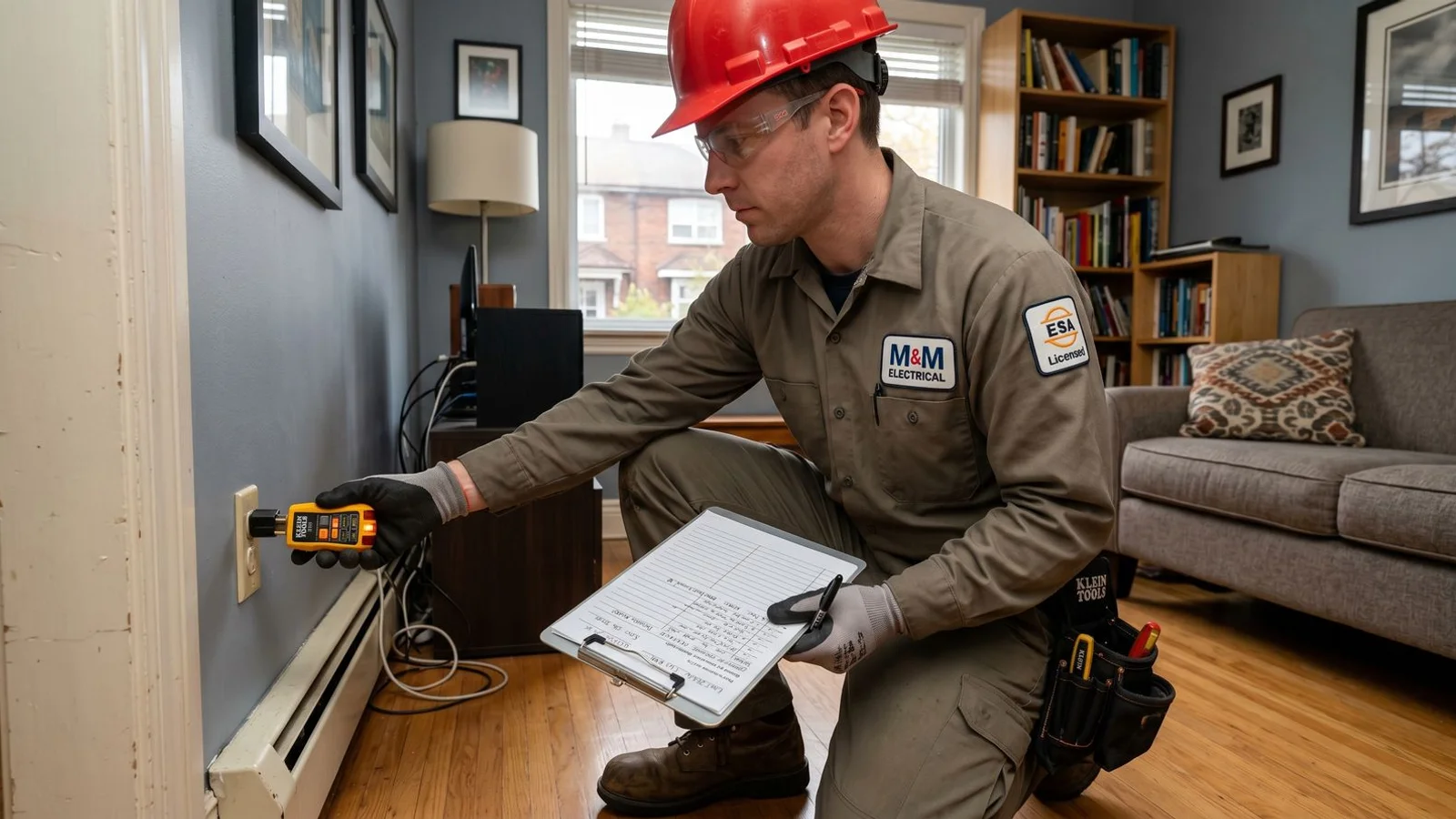
We use specialized diagnostic gear to sample and test receptacles throughout the building. In a typical Toronto residential project, the work here is straightforward when handled by an ESA-licensed electrician.
Our technicians have handled this scope across the GTA, including Toronto, North York, Scarborough, Etobicoke, Mississauga, Vaughan, and Markham. The steps follow a consistent pattern.
We test for correct polarity, adequate grounding, and proper voltage drops at various outlets. Specifics depend on the home vintage, wall finish, and existing service capacity.
Our field kits include advanced ground impedance testers to find hidden faults behind finished walls. Finding an ungrounded three-prong plug is a common reason a site fails the review.
We correct these reverse polarity issues immediately to secure your approval. Reliable testing prevents future appliance damage.
4. GFCI/AFCI verification on required circuits
Our installers pay very close attention to arc fault and ground fault circuit interrupters. Current OESC requires AFCI on most living-space circuits and GFCI on bathroom, kitchen, garage, outdoor, and basement circuits.
We note that older Toronto panels often pre-date these modern requirements. A panel upgrade or major renovation triggers a retrofit of these protections. We install the required breakers as part of the project to ensure full code compliance. The 2024 Ontario Electrical Safety Code update, fully enforced in 2026, expanded AFCI requirements to cover virtually all 15A and 20A residential circuits.
Our crews verify the trip times on these sensitive devices to ensure they react instantly to faults. Missing GFCI protection near a water source is an automatic fail during any site visit.
5. Written report format and deficiency list
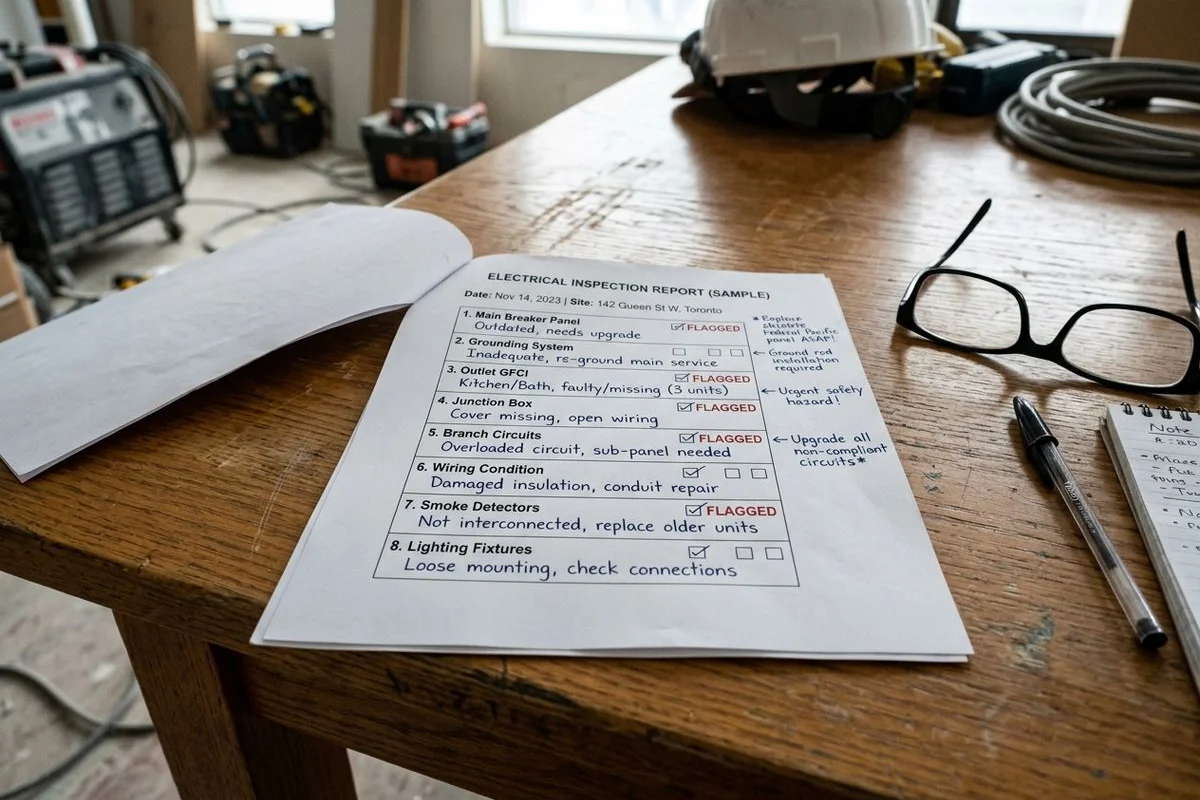
We provide a clear summary of all findings once the physical checks are complete. An official electrical inspection report outlines exactly what passes and what fails. Our team translates the formal esa deficiency list into a practical, step-by-step repair plan.
In a typical Toronto residential project, this documentation phase is straightforward when handled by an ESA-licensed electrician with the right diagnostic gear. We have processed this exact paperwork across the GTA, including Toronto, North York, Scarborough, Etobicoke, Mississauga, Vaughan, and Markham. The administrative steps follow a consistent pattern, though specifics depend on the home vintage, wall finish, and existing service capacity.
Our office staff files all necessary notifications to get your paperwork moving quickly. Once the final inspection passes, the authority issues a Certificate of Acceptance within a few business days. We recommend keeping this official certificate safe, as insurance companies require it for policy renewals. Proper documentation secures the value of your property.
Ready for a Quote?
We would be happy to talk if you are ready to scope this work. Finding a reliable partner makes your renovation or upgrade project stress-free.
We do free estimates on residential projects across the GTA.
A flat-rate quote from a trusted contractor keeps your budget predictable. Our estimates always include ESA permits in our LEC name and the final Certificate of Acceptance.
Clear pricing helps you plan without unexpected surprises. We encourage you to visit our electrical safety inspection page for the full scope of what we do. You can also contact us directly to schedule an appointment.
For more context on related decisions, read our guide on pre-Purchase Electrical Inspection for Toronto Home Buyers.
Frequently Asked Questions
How long does an inspection take?
+
1.5–3 hours depending on home size and complexity. For Toronto homes specifically, we handle this through our LEC with the ESA permit included in the flat-rate quote. Free estimates on residential projects.
Will you fix issues during the inspection?
+
No. Inspection is independent; we provide a remediation quote separately. For Toronto homes specifically, we handle this through our LEC with the ESA permit included in the flat-rate quote. Free estimates on residential projects.
Is the report formal enough for insurers?
+
Yes. Written, dated, ESA-recognized format. For Toronto homes specifically, we handle this through our LEC with the ESA permit included in the flat-rate quote. Free estimates on residential projects.