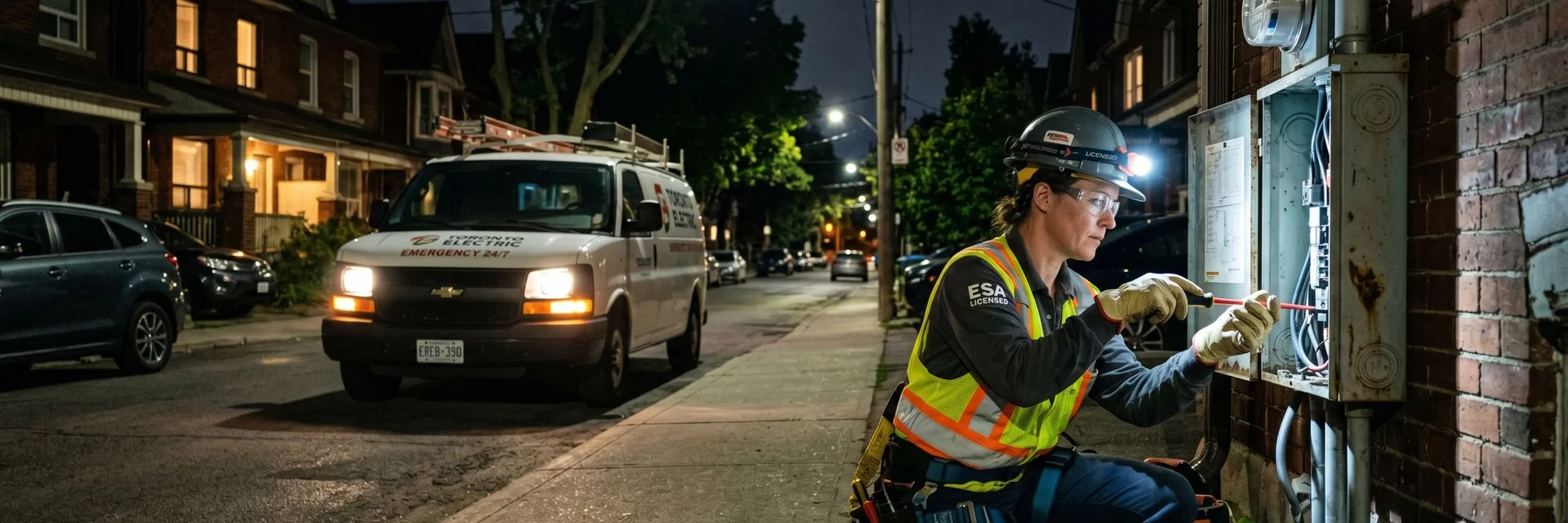
Ontario Home Insurance Electrical Requirements (2026)
What Ontario insurers require: K&T, aluminum, panel age, ESA documentation. The exact paperwork they accept and how we provide it.
By Michael Chen, Licensed Master Electrician ·
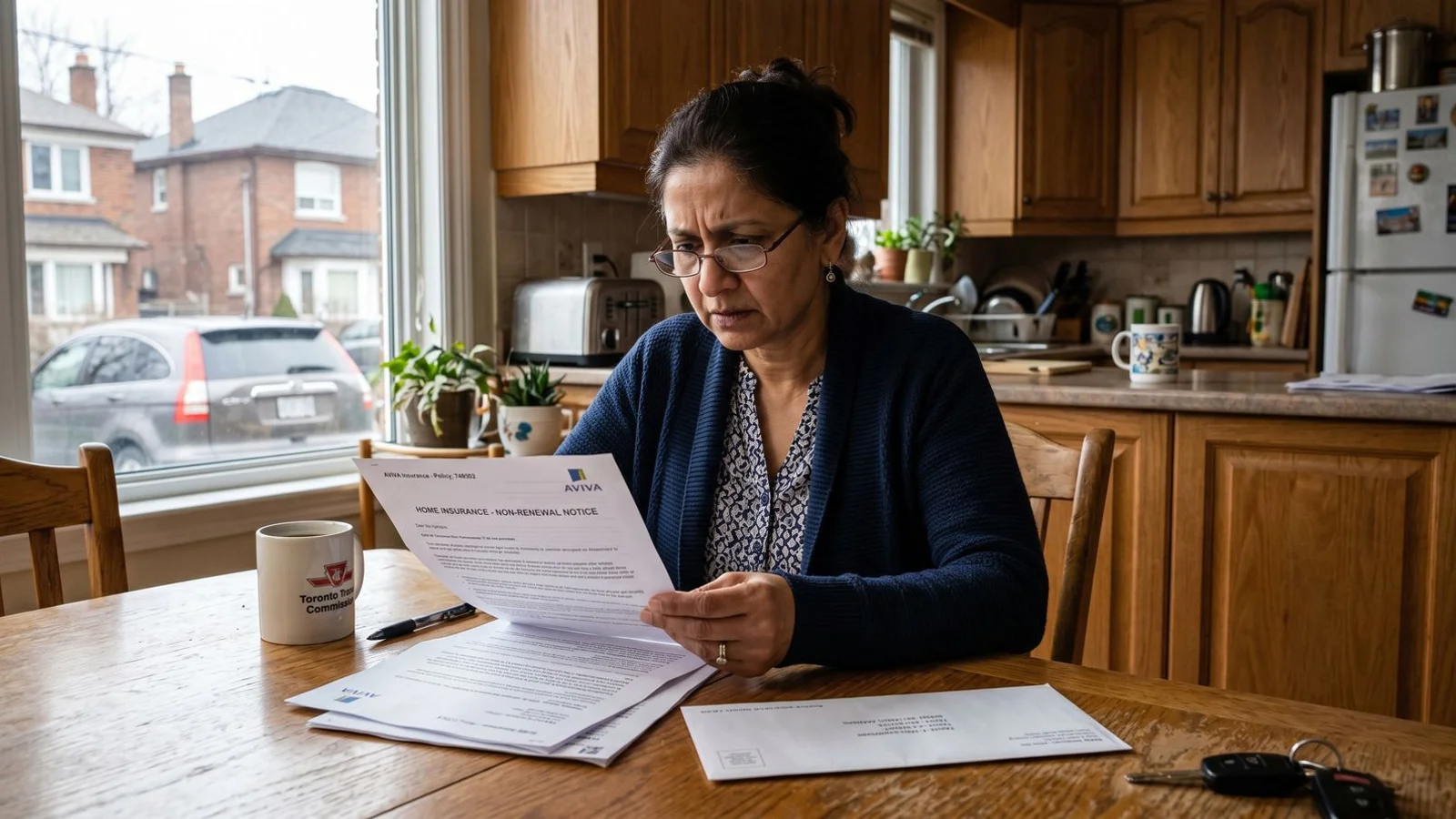
We see the panic set in every time a homeowner receives that dreaded renewal letter from their insurance provider. A sudden demand for an electrical upgrade leaves many families scrambling.
The requirements are strict.
Our team handles these ontario home insurance electrical requirements daily. You know the exact letter, often demanding immediate action to keep your policy active.
Facing these ultimatums with a tight deadline is stressful. We understand the pressure to find a fast solution.
Let us look at the data, what it actually means for your home, and explore the fastest ways to comply.
Ontario Home Insurance Electrical Requirements (2026)
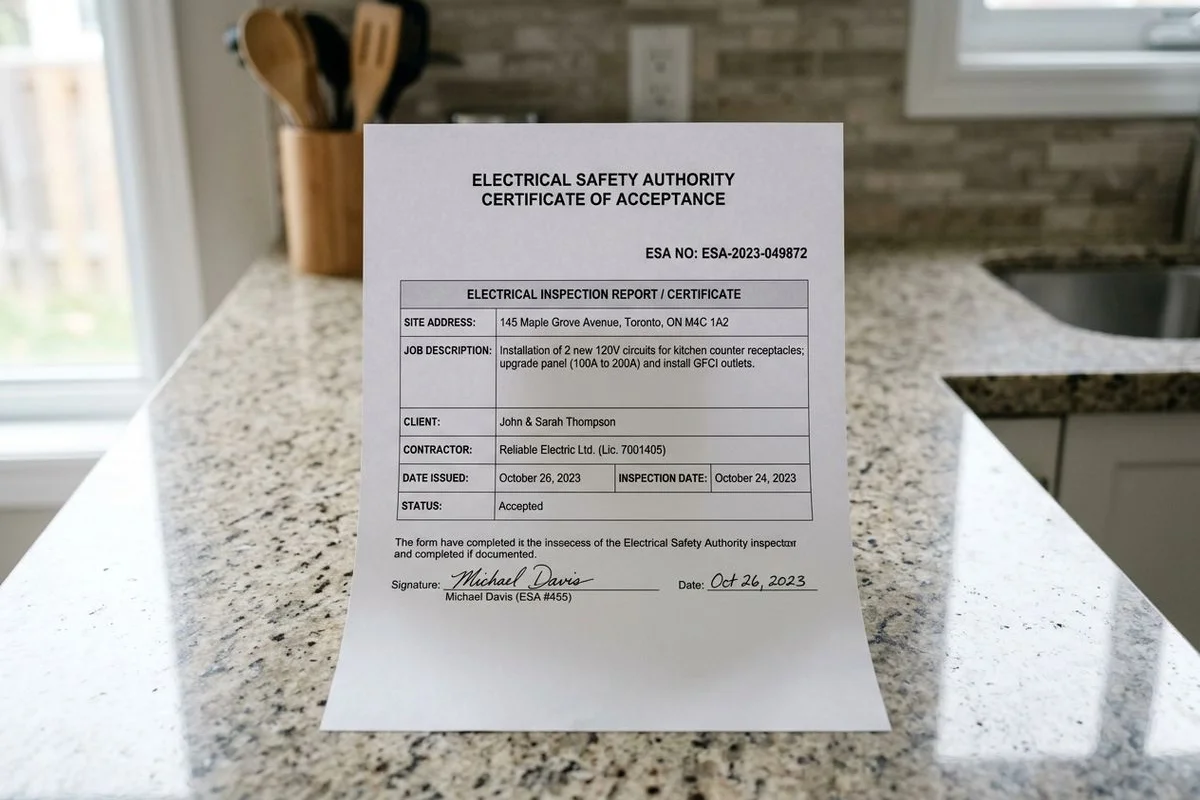
Insurers in 2026 demand modern, safe electrical systems backed by an official Electrical Safety Authority (ESA) Certificate of Acceptance. They typically require a minimum 100-amp service, copper wiring, and the complete removal of known fire hazards like Federal Pioneer panels.
Our licensed electricians handle these exact upgrades across the province to ensure continuous coverage. Replacing legacy equipment is the only guaranteed way to satisfy companies like TD Bank and Intact Insurance.
The process requires pulling an official ESA permit, which starts at an $88 residential minimum fee. We will process this permit directly in our name.
This protects you from liability and speeds up your policy renewal. Direct communication with your broker makes the approval process simple.
| System Type | 2026 Insurance Status | Common Action Required |
|---|---|---|
| 60-Amp Service | Rarely Insurable | Upgrade to 100-Amp or 200-Amp |
| Knob-and-Tube (K&T) | High Risk / Uninsurable | Full Replacement |
| Federal Pioneer Panels | Often Denied | Panel Replacement |
What This Guide Covers
Here is a fast overview of the core issues you must address before booking a contractor. The specific steps depend heavily on your home’s vintage and your current provider.
Our experienced team encounters these exact roadblocks regularly and knows the best solutions. The details below outline exactly what to expect.
1. Common Ontario insurer triggers (K&T, aluminum, Federal Pacific, 60A service, fuse box)
Your insurance company will automatically flag older homes that still rely on 60-amp services, fuse boxes, or outdated wiring. Companies like Square One Insurance often decline policies until these specific hazards are removed.
We regularly see knob-and-tube wiring flagged in pre-1950 Toronto construction, particularly in neighbourhoods like The Annex, High Park, Cabbagetown, and Riverdale. Cloth insulation degrades over time, creating a major fire hazard.
Modern attic insulation traps the heat that the original wiring design needed to dissipate. Our estimates show full knob and tube insurance ontario removal in a typical home runs $15,000 to $25,000 in 2026.
Federal Pioneer (Stab-Lok) panels are another major trigger. Up to one in three of their breakers fail to trip during an overload.
- Knob-and-Tube: Almost universally denied by standard insurers due to degradation.
- Federal Pacific/Pioneer Panels: High failure rate during power overloads.
- 60-Amp Service: Insufficient for modern appliances like EV chargers or heat pumps.
- Aluminum Wiring: Requires specialized remediation with copper pigtails.
2. ESA Certificate of Acceptance: the document insurers actually accept
The ESA Certificate of Acceptance is the only legal document your insurance broker will recognize as proof of safe electrical work. A passed inspection is required before the paperwork is issued.
We ensure every job concludes with this official certification to guarantee your compliance. ESA permits should always be pulled by the contractor in the Licensed Electrical Contractor (LEC) name.
Homeowner-pulled permits transfer liability to you and fail to hold up during an insurance audit. Our Toronto LEC process bakes the permit and inspection cost right into the flat-rate quote.
You never see a separate line item or pay the ESA directly. Avoiding DIY permits saves homeowners from costly legal headaches down the road.
“Never pull an electrical permit in your own name for major insurance repairs. Always let the Licensed Electrical Contractor handle the paperwork to protect your liability.”
3. Sample insurer letters and what to send back
Insurance renewal letters usually state that your policy will be canceled within 30 to 60 days unless you provide proof of an electrical upgrade. Sending a signed contract often convinces providers like Aviva or TD Bank to grant a temporary extension.
We help clients respond to these letters by providing an official quote and a scheduled start date. In a typical Toronto residential project, the work is straightforward when handled by an ESA-licensed electrician equipped with the right diagnostic gear.
Specifics always depend on the home’s vintage, wall finishes, and existing service capacity. Our teams have handled this specific scope across the entire GTA, including Toronto, North York, Scarborough, Etobicoke, Mississauga, Vaughan, and Markham.
The steps follow a consistent pattern that brokers understand and respect. The final document is delivered immediately upon completion so you can forward it to your agent.
- A formal, signed contract from a Licensed Electrical Contractor.
- The scheduled start and completion dates for the upgrade.
- The official ESA permit number verifying the project is registered.
- The final ESA Certificate of Acceptance once the work passes inspection.
4. Timelines: typical insurer cure window vs realistic remediation timeline
Most insurance companies offer a strict 30 to 60-day grace period to fix identified electrical hazards. Delays in ordering specialized parts can easily consume this entire window.
We prioritize these urgent insurance jobs to ensure you do not lose your coverage. A full knob-and-tube replacement in a standard two-story home typically takes one to two weeks of active labor.
Upgrading a main panel from 60 amps to 100 amps usually finishes in a single day. Our scheduling team coordinates directly with local hydro utilities to minimize your power downtime.
Getting the final ESA inspection approved can take an additional 48 hours after the physical work is done. Booking your assessment the same week you receive your renewal letter is the smartest approach.
| Electrical Project | Typical Labor Time | Total Time with Inspections |
|---|---|---|
| Panel Upgrade (to 100A/200A) | 1 Day | 2 to 3 Days |
| Aluminum Wiring Remediation | 3 to 5 Days | 1 Week |
| Full K&T Rewire | 7 to 14 Days | 2 to 3 Weeks |
5. Why most insurers don’t accept partial K&T remediation
Insurers view any remaining knob-and-tube wiring as a critical fire risk, regardless of how small the active section is. Leaving old wires spliced with modern copper creates dangerous resistance points that can overheat.
We constantly see brokers reject homes that still have a small percentage of original wiring hidden in the attic. The Insurance Bureau of Canada recommends full removal because partial fixes fail to eliminate the core hazard.
Upgrading just the basement while ignoring the second floor will not earn you an ESA Certificate of Acceptance. Our crews use advanced circuit tracers to find and remove every single hidden legacy wire.
A complete removal is the only reliable way to guarantee standard premium rates. Taking care of the entire system at once protects your family and your investment.
- Hidden Splices: Mixing old and new wires creates dangerous heat buildup.
- No Grounding: K&T lacks the ground wire required for modern electronics.
- Attic Insulation: Modern spray foam or blown-in insulation traps heat around old wires.
- Liability: Insurers refuse to cover partial fixes if a fire occurs in an untouched area.
Talk to an ESA-Licensed Electrician
If you are working through any of these insurance demands and want a professional second opinion, reach out to our team today. Rapid compliance keeps your home protected and your policy active.
We provide free estimates on residential projects across Toronto, North York, Scarborough, Etobicoke, and the broader GTA. The pricing is always flat-rate quoted.
The final insurance esa certificate is always included to satisfy your broker. Our licensed experts ensure ESA permits are placed securely in our name.
Do not risk losing your coverage over outdated panels or legacy wiring.
Book your home insurance electrical inspection now to secure your property.
Frequently Asked Questions
Will my insurer drop me for a Federal Pacific Stab-Lok panel?
+
Most Ontario insurers flag Stab-Lok and require replacement at renewal; a small minority will continue coverage with documented inspection. For Toronto homes specifically, we handle this through our LEC with the ESA permit included in the flat-rate quote. Free estimates on residential projects.
What document do insurers want?
+
ESA Certificate of Acceptance issued after final inspection of the remediation work. For Toronto homes specifically, we handle this through our LEC with the ESA permit included in the flat-rate quote. Free estimates on residential projects.
How fast can I get the paperwork?
+
Typically 1–2 weeks after work completion, scheduled around ESA inspector availability. For Toronto homes specifically, we handle this through our LEC with the ESA permit included in the flat-rate quote. Free estimates on residential projects.